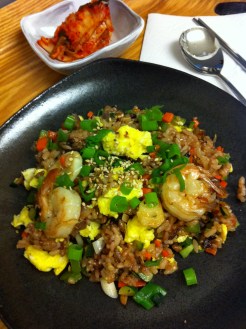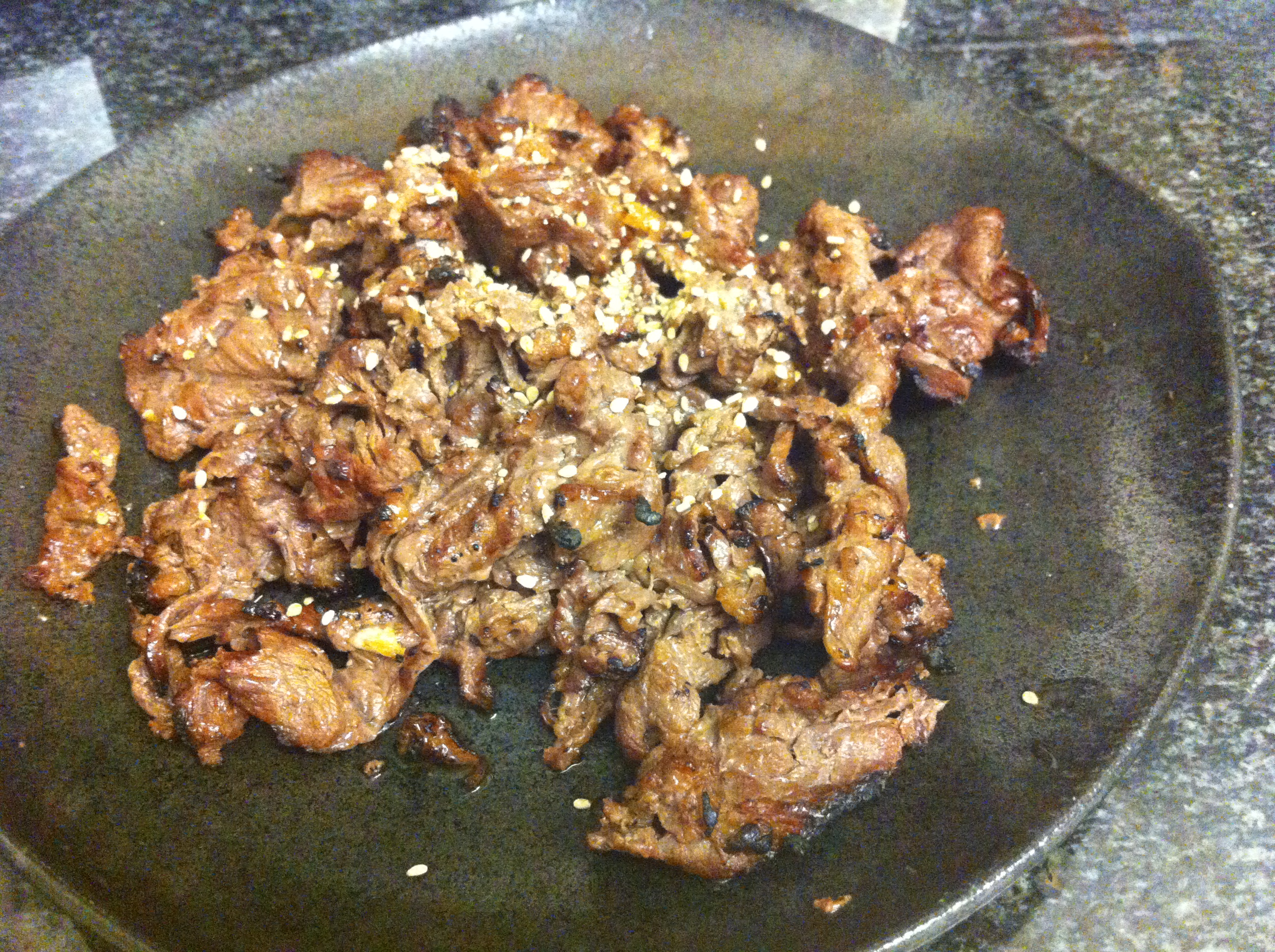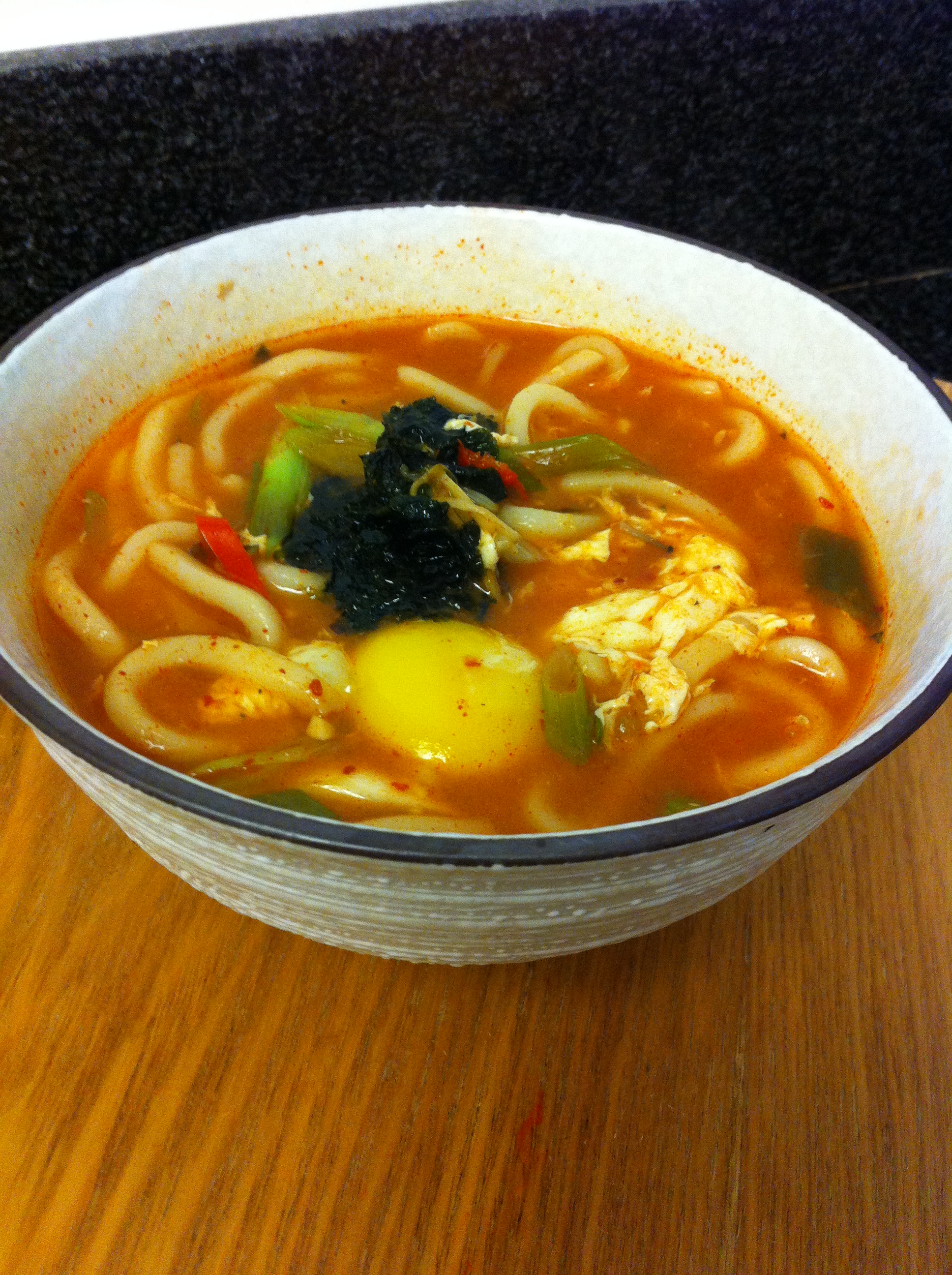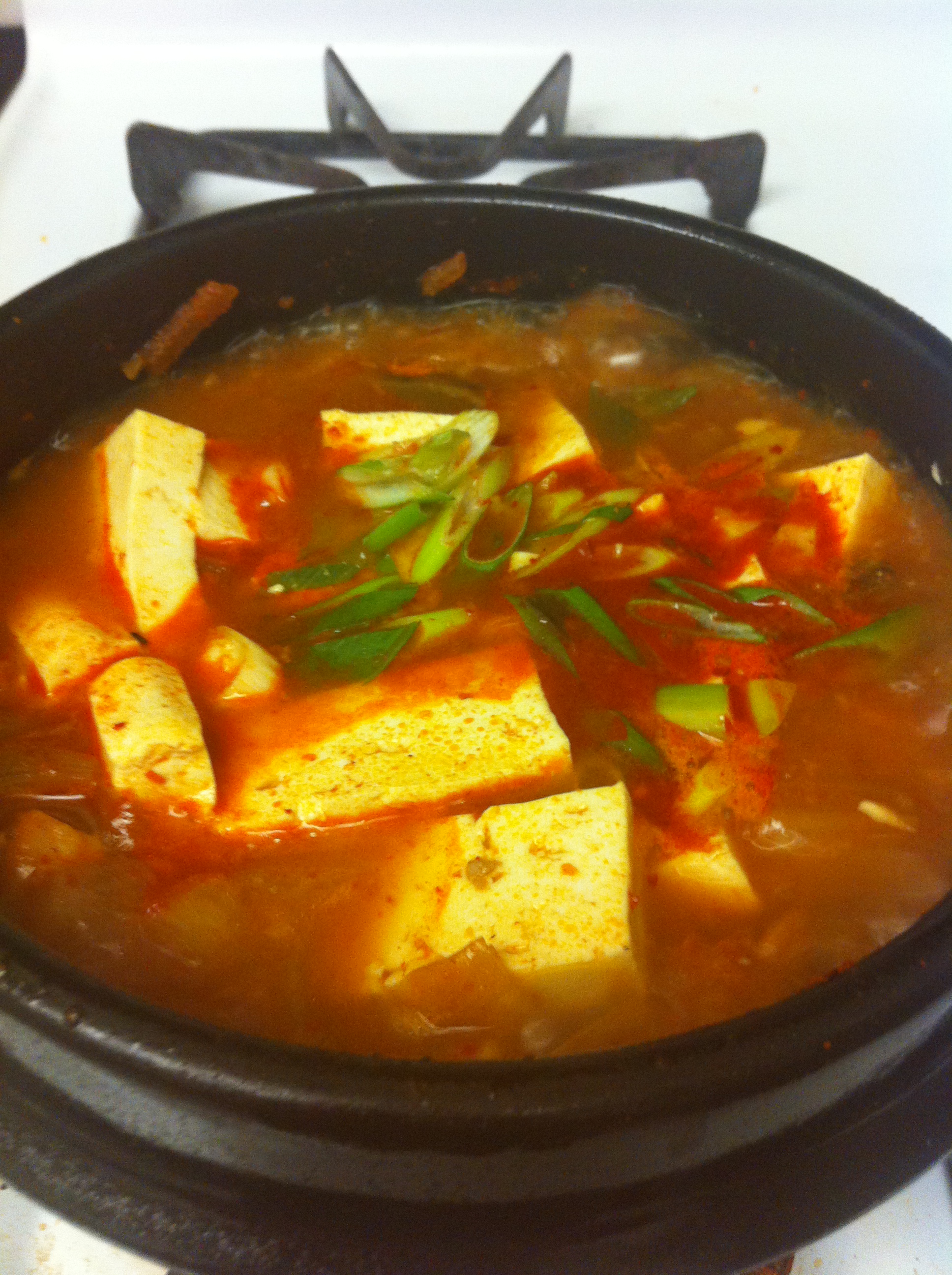
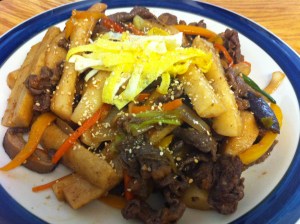
Gungjung-ttuckbokki (궁중떡볶이): Royal Rice Cakes

IMG_2042

[Gungjung: royal, ttuck: rice cakes, bokki: sauté]

Gungjung-tuckbokki or royal tuckbokki is a non-spicy version of Koreans’ favorite pastime dish, tuckbokki. I assume that it is called “royal” tuckbokki because this dish contains as much meat and vegetables as rice cakes unlike its cousin and moreover contains all of the 5 food groups.
Continue reading

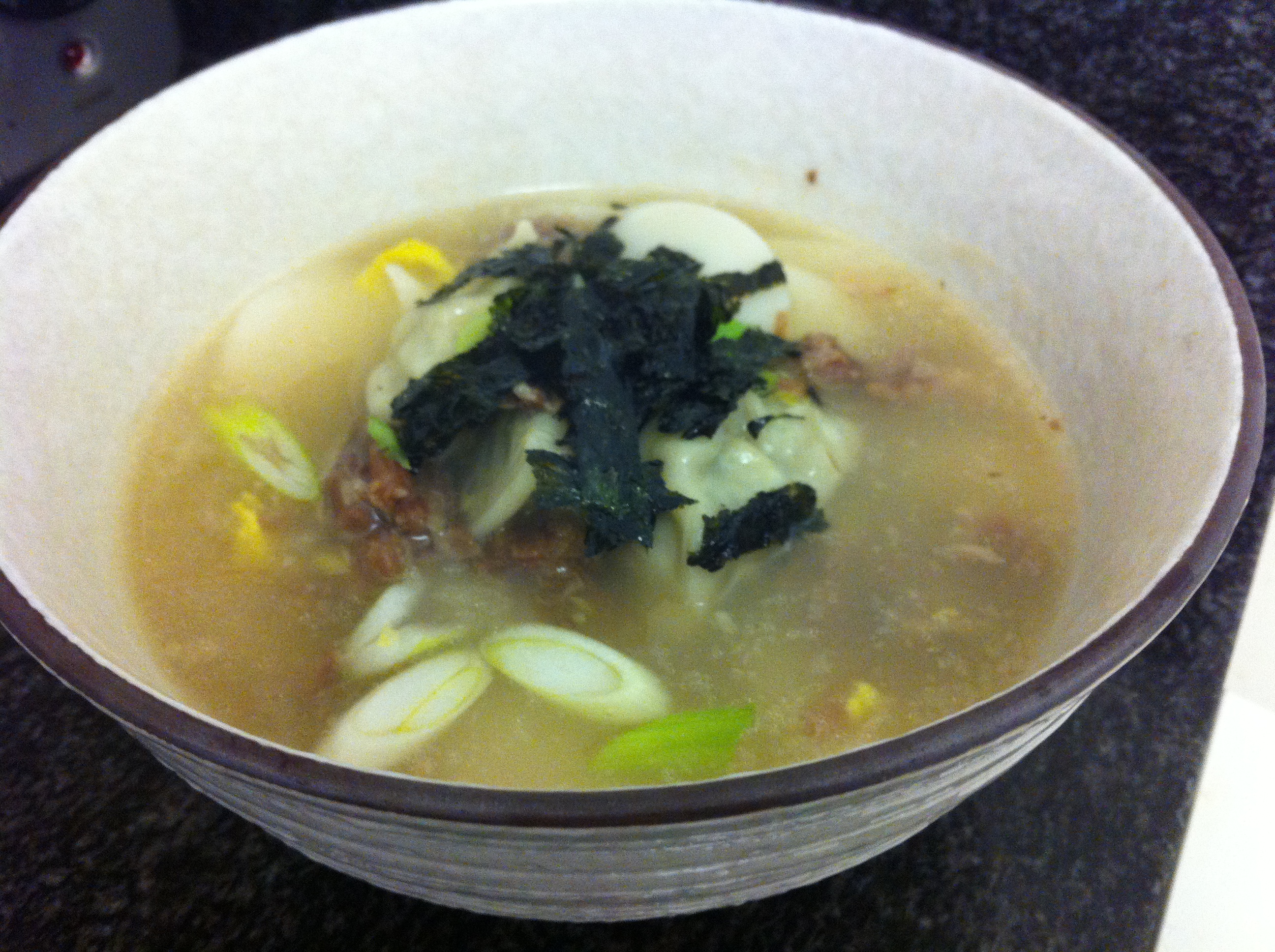
Ttuckmandu-guk (떡만두국): Rice cake and dumpling soup

IMG_2213

[Ttuck: rice cakes, Mandu: dumplings, guk: soup]

Ttuckmandu-guk is traditionally the first meal Koreans eat on New Year’s Day. The white color of the rice cakes symbolizes a new start and longevity while the round shape represents coins for good luck and wealth. Continue reading

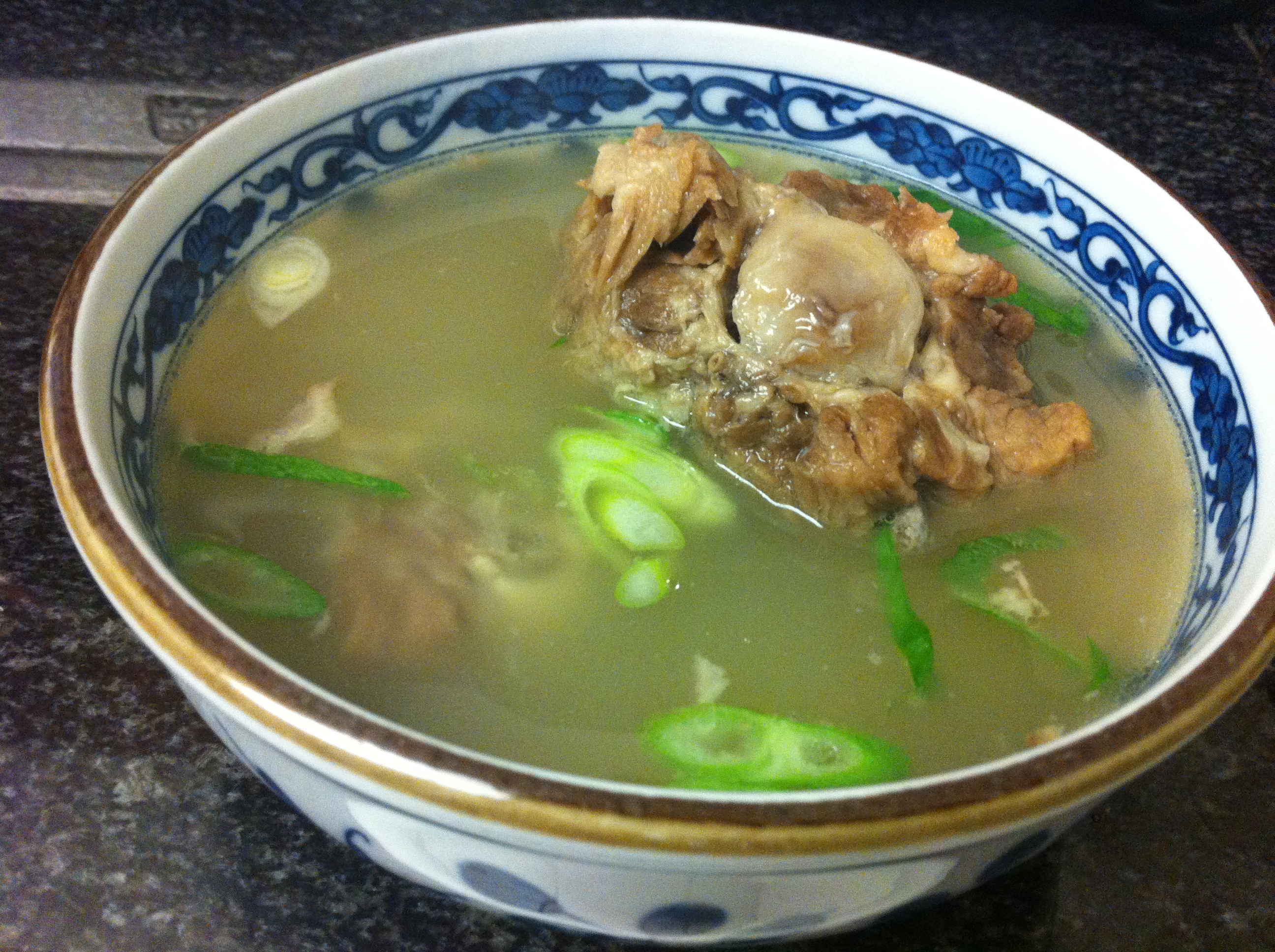
Kkori-gomtang (꼬리곰탕): Oxtail Soup

IMG_2411

[Kkori: tail or oxtail, Gomtang: Korean beef soup]

One of my favorite soups to make and serve is Kkorigom-tang, which is a Korean oxtail soup. Amongst many of the Korean bone marrow based soups such as sullung-tang and sagol-guk, this is the easiest one to make and the most sumptuous and versatile soup in my opinion. Continue reading

Pork Kimchi Jjigae (돼지고기 김치찌개): Pork Kimchi Soup

[Jjigae= a thick soup or stew]

Kimchi jjigae is the queen of Korean soups. When I eat heavy meals and feel fat and bloated, all I want to have is a bowl of bubbly kimchi jjigae and some rice. Continue reading

Kongnamul-gukbap (콩나물국밥): Soybean sprout soup with rice

[Kongnamul: soybean sprout, Guk: soup, Bap: cooked rice]

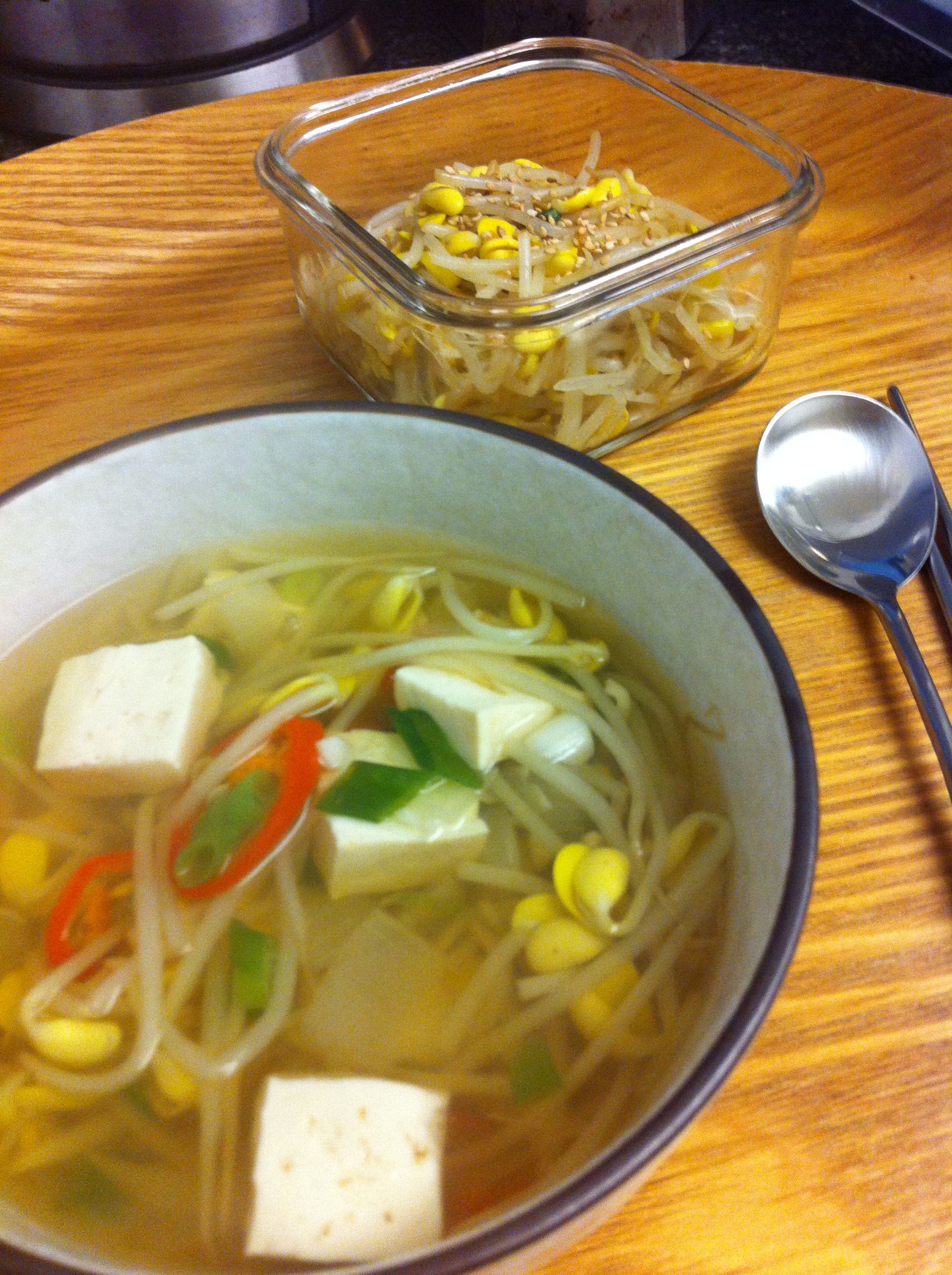
Kongnamul-gukbap (콩나물국밥) is a one pot meal made in a hot bowl with kongmamul-guk  (콩나물국, soybean sprout soup) and rice on the bottom of the bowl. Continue reading